
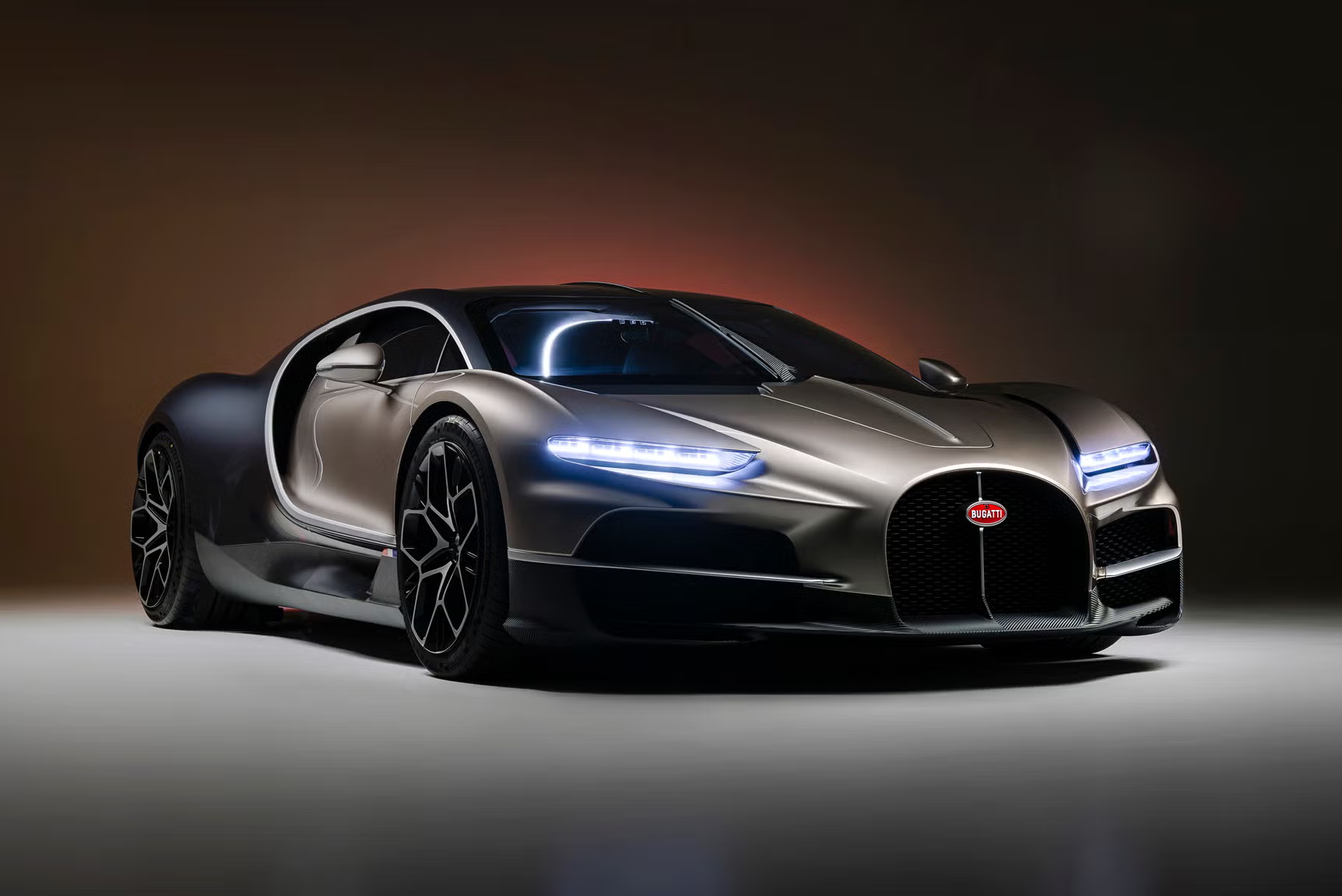
Introduction: The Global Shift Toward Electric Cars
The electric vehicle (EV) revolution is accelerating faster than ever as we move into 2026. Stronger environmental policies, rising fuel costs, and dramatic improvements in battery efficiency have propelled EVs into mainstream adoption worldwide. Governments across Europe, Asia, and North America are pushing for carbon-neutral transportation, forcing automakers to electrify their lineups.
By 2026, global EV sales are projected to exceed 22 million, a stunning growth compared to just 6.6 million in 2021. This surge is reshaping the automotive landscape and elevating EV-focused manufacturers to the top of global rankings. Whether fully electric or plug-in hybrid, every major brand now competes for market share in what has become the most innovative era in automotive history.
This article explores the top electric car brands in the world in 2026, ranking them based on sales, innovations, affordability, technological advancement, charging network strength, and consumer popularity.
1. Tesla – The Global EV Pioneer
Tesla continues to dominate the EV industry in 2026 with unmatched innovation, software leadership, and a constantly expanding Supercharger network. Under Elon Musk’s leadership, Tesla remains the top-selling EV brand worldwide.
Why Tesla Leads in 2026
-
Best global charging network (Superchargers)
-
Top-tier autonomy with FSD (Full Self-Driving) upgrades
-
Performance-focused models with long-range batteries
-
Industry-leading battery efficiency and thermal management
Most Popular Tesla Models (2026)
-
Tesla Model Y (World’s Best-Selling EV)
-
Tesla Model 3 Highland
-
Tesla Cybertruck
-
Tesla Model S Plaid
-
Tesla Model X Long Range
Tesla continues pushing boundaries with its 4680 battery cells and more affordable EV offerings expected in 2027.
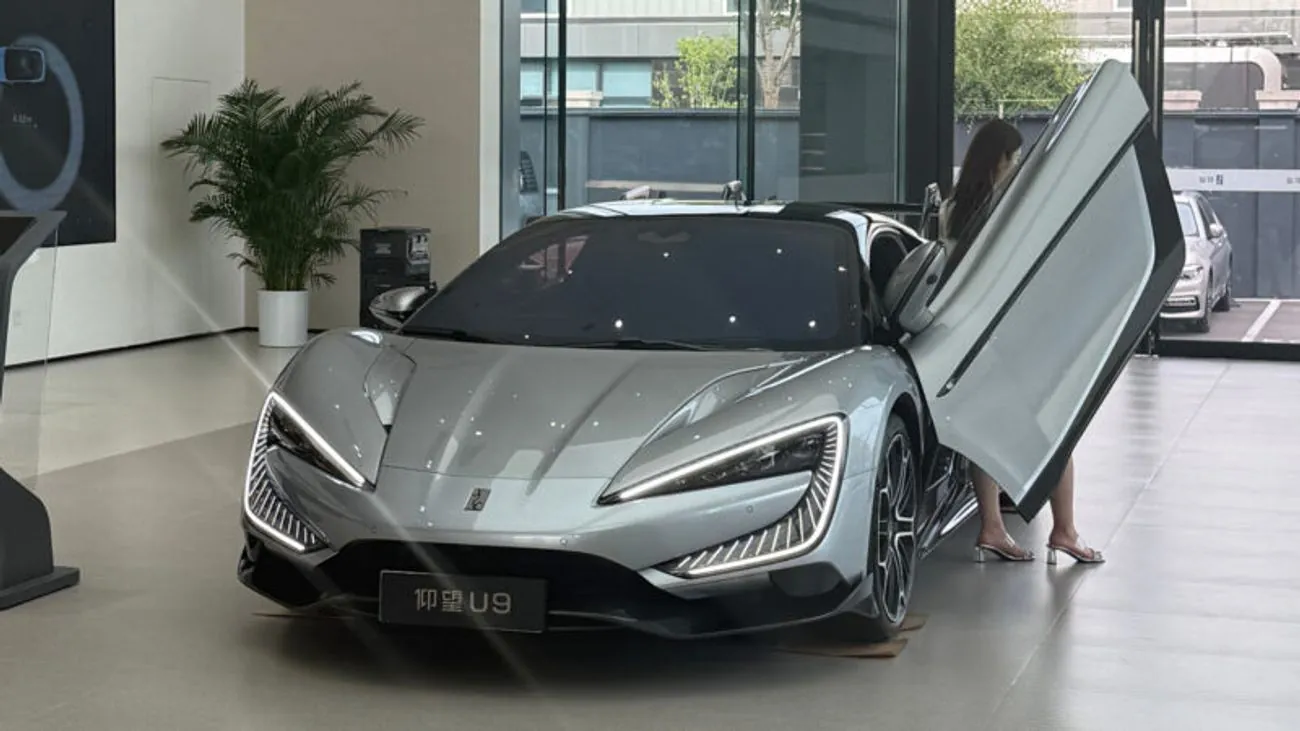
2. BYD – The World’s Fastest Growing EV Brand
BYD (Build Your Dreams), the Chinese automaker backed by Warren Buffett, has overtaken several legacy brands to become one of the largest EV sellers globally. With affordable pricing and massive production capacity, BYD is reshaping the electric car market.
Key Strengths of BYD in 2026
-
Exceptional affordability compared to Tesla
-
Blade Battery technology: safer, cooler, and long-lasting
-
Huge presence across Asia, Europe, Africa, and South America
-
Mass production enables lower price points
Top BYD EVs
-
BYD Seal
-
BYD Dolphin
-
BYD Atto 3
-
BYD Tang EV
BYD’s fleet appeals to cost-conscious buyers who want reliability without premium pricing.
3. BMW – Premium European EV Excellence
BMW’s “i Series” has transformed the brand from a combustion-engine icon into an EV powerhouse.
What Makes BMW a Leading EV Brand
-
Innovative battery-cooling systems
-
Premium interior comfort
-
Advanced driver-assist technologies
-
Strong demand for luxury electric SUVs
Top BMW EV Models (2026)
-
BMW i4
-
BMW iX
-
BMW i7
-
BMW iX1
BMW remains one of the strongest premium EV brands in Europe and the U.S.
4. Mercedes-Benz – Luxury Electrification at Its Best
Mercedes-Benz continues expanding its EQ lineup in 2026, competing strongly in the premium EV market.
Why Mercedes-Benz Stands Out
-
Ultra-luxurious interiors
-
High-end infotainment systems (Hyperscreen)
-
Efficient charging and strong range
-
Quiet, smooth electric drivetrains
Popular Mercedes EVs
-
Mercedes EQS
-
Mercedes EQE
-
Mercedes EQB
-
Mercedes EQS SUV
Mercedes focuses on combining classic luxury with zero-emission technology.
5. Volkswagen – The People’s EV Brand
Volkswagen’s ID series has become a global hit, especially in Europe.
Volkswagen’s EV Advantages
-
Affordable pricing
-
Strong German engineering
-
Well-rounded family EVs
-
Growing global charging initiatives
Top VW EV Models
-
Volkswagen ID.3
-
Volkswagen ID.4
-
Volkswagen ID.7
-
Volkswagen ID.Buzz
VW plans to electrify nearly 80% of its lineup by 2030.
6. Hyundai – Innovation, Value & Futuristic Designs
Hyundai has climbed to the top tiers of global EV rankings thanks to bold designs, long ranges, and outstanding warranties.
Strengths of Hyundai EVs
-
Ultra-fast charging (800V architecture)
-
Futuristic designs
-
Reliable, long-lasting batteries
-
Strong pricing compared to competitors
Best Hyundai EV Models (2026)
-
Hyundai Ioniq 5
-
Hyundai Ioniq 6
-
Kona Electric (New Model)
Hyundai’s EV lineup is praised for efficiency and cutting-edge technology.
7. Kia – The Practical EV Champion
Kia, a sister brand to Hyundai, offers stylish EV options with strong practicality and competitive pricing.
Why Kia Ranks High
-
Long range
-
Spacious interiors
-
Aggressive pricing
-
Fast charging capabilities
Top Kia EVs
-
Kia EV6
-
Kia EV9 (7-seater)
-
Kia Niro EV
Kia appeals to buyers wanting value, modern style, and powerful performance.
8. Ford – America’s Most Trusted EV Brand
Ford has rapidly become a strong contender in the EV market, especially in North America.
Ford’s EV Strengths
-
Strong brand loyalty in pickup and SUV categories
-
Successful electric versions of iconic models
-
Expanding charging partnerships (Tesla Supercharger compatibility)
Best Ford EV Models (2026)
-
Ford F-150 Lightning
-
Ford Mustang Mach-E
-
Ford Explorer EV
Ford is a key player in American EV adoption.
9. Rivian – The Future of Electric Adventure Vehicles
Rivian is known for delivering electric trucks and SUVs designed for adventure and durability.
Why Rivian Is Popular
-
Rugged off-road performance
-
Luxury interiors
-
Innovative modular gear storage
-
Adventure-focused technology
Top Rivian Models
-
Rivian R1T (Electric pickup)
-
Rivian R1S (Electric SUV)
-
Rivian R2 (New affordable model)
Rivian appeals to outdoor enthusiasts seeking premium EV experiences.
10. Nissan – Affordable EV Leader
Nissan was one of the first global EV pioneers with the Nissan Leaf. In 2026, it continues focusing on affordability.
Why Nissan Remains Relevant
-
History of reliable electric cars
-
Focus on budget-friendly pricing
-
Practical, easy-to-maintain EVs
Popular Nissan EVs
-
Nissan Leaf (New Gen)
-
Nissan Ariya
Nissan’s EV lineup remains strong in Asia, Europe, and the U.S.
Future Trends Shaping EVs in 2026 & Beyond
1. Solid-State Batteries
Brands like Toyota and BMW are heavily investing in solid-state batteries, expected to provide:
-
Faster charging
-
Longer range
-
Higher safety
2. Autonomous Driving Enhancements
Tesla, Mercedes, and BMW are leading with Level 3 autonomy in certain regions.
3. Affordable EV Models Under $25,000
BYD and Renault are driving the affordability revolution.
4. Gigafactory Expansion Worldwide
China, Europe, and the U.S. are building more battery factories to reduce dependency on imports.
5. Charging Infrastructure Growth
More fast-charging stations are being installed globally than ever before.
Conclusion: The EV Future Is Now
The electric car market in 2026 is more competitive, innovative, and accessible than at any time in history. With dozens of EV brands fighting for dominance, consumers benefit from lower prices, better range, and more advanced features.
Tesla and BYD lead global sales, while BMW, Mercedes, Hyundai, and Kia offer some of the market’s most reliable and futuristic electric cars. Meanwhile, innovators like Rivian are capturing niche segments with adventure-focused EVs.
One thing is clear: the shift toward electric mobility is unstoppable, and 2026 marks the beginning of a new era in automotive evolution.