
Car Brands in Pakistan 2026
Car brands shape the Pakistan automotive market in 2026. Engine power defines performance. Car design emphasizes style and aerodynamics. Fuel efficiency remains important. Automotive technology drives innovation. Smart car features improve convenience. Vehicle connectivity enhances navigation. Car culture grows rapidly. Buyers seek comfort, status, and performance. Imported car brands dominate premium markets. Local dealerships stock reliable and affordable models. Car parts cost moderate to high. Internal combustion engines remain dominant. Hybrid and electric vehicles enter slowly. Cabin comfort ensures long-distance support. AI in cars optimizes driving. Vehicle safety systems protect passengers. Car innovation shapes trends. Car enthusiasts customize interiors and performance. Car brands define automotive trends in Pakistan 2026.
Understanding Car Brand Demand in Pakistan
Car brands attract buyers for quality, performance, and prestige. Buyers compare engine power, acceleration, and handling. Buyers compare cabin comfort and smart features. Car brands invest in technology and safety. Fuel efficiency remains important for city driving. Maintenance costs influence choice. Car parts availability affects adoption. Suspension ensures comfort on rough roads. Brake response ensures safety. Steering response improves control. Aerodynamics shapes performance. Cabin comfort supports families and executives. Vehicle connectivity monitors navigation and engine performance. Digital dashboards display real-time stats. LED headlights improve visibility. Car innovation excites buyers. Automotive engineering ensures reliability. Pakistan’s roads challenge car brands. Cities like Karachi, Lahore, Islamabad, and Rawalpindi show high demand. Imported car brands dominate premium markets. Japanese cars offer reliability. European cars offer design and technology. American cars offer power and comfort. Car culture in Pakistan embraces identity and status. Car enthusiasts upgrade interiors and engine tuning. Engine power excites drivers. Internal combustion engines dominate. Hybrid and electric cars are gaining popularity slowly.
Top Car Brands in Pakistan 2026
Car brands influence market demand. Buyers choose based on reliability, performance, and style. Car brands provide after-sales service. Car innovation matters. Car engineering improves handling, comfort, and safety. Car technology attracts modern buyers. Popular car brands include:
Toyota
Honda
Hyundai
Kia
Suzuki
Nissan
Ford
Mercedes-Benz
BMW
Audi
Lexus
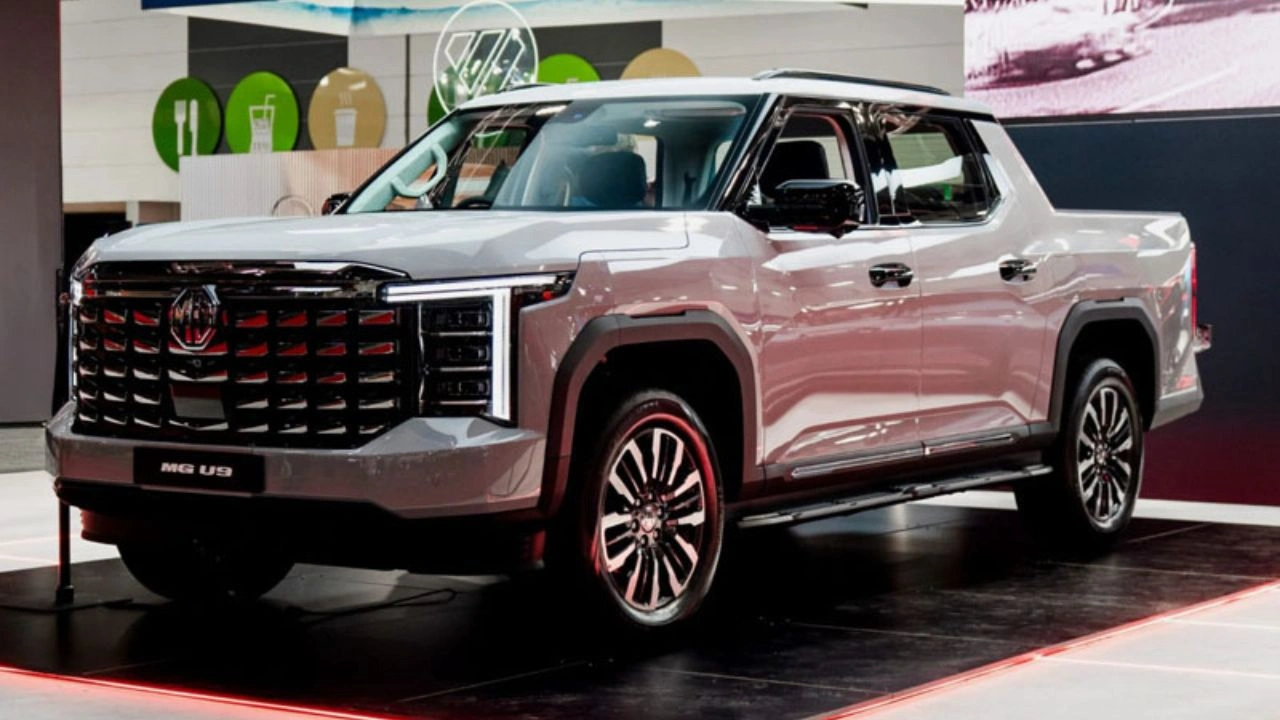
MG
Volkswagen
Jaguar
Land Rover
Chevrolet
Porsche
Mitsubishi
Isuzu
Peugeot
Japanese brands dominate reliability and fuel efficiency. European brands dominate luxury, technology, and design. American brands dominate power and comfort. Pakistani buyers compare engine power, interior comfort, and smart features. Car brands provide status and lifestyle. Car parts cost moderate to high. Maintenance requires expertise. Fuel efficiency influences choice. Car aerodynamics improves performance. Vehicle safety systems integrate advanced technology. AI in cars monitors performance and energy efficiency. Car brand innovation shapes 2026 trends.
1. Toyota
Toyota dominates reliability and resale value. Engine power ranges from 119–270 hp. Acceleration achieves 0–100 km/h in 9–12 seconds. Car design emphasizes practicality and aerodynamics. Suspension ensures comfort. Brake response feels precise. Car technology includes infotainment and navigation. Smart car features improve the driving experience. The cabin feels spacious. Seats provide support. Car culture in Pakistan admires Toyota reliability. The internal combustion engine dominates performance. Hybrid models enter slowly. Car maintenance requires standard expertise. Aerodynamics improves efficiency. Torque delivery feels smooth. Vehicle safety systems protect passengers. Car parts cost moderately. Fuel efficiency remains high.
2. Honda
Honda combines reliability with comfort. Engine power reaches 121–190 hp. Acceleration achieves 0–100 km/h in 10–12 seconds. Car design emphasizes aerodynamics and cabin space. Suspension ensures a smooth ride. Brake response feels precise. Car technology monitors performance and navigation. Smart car features enhance driving. The cabin feels modern. Seats provide support. Car culture in Pakistan admires Honda reliability. The internal combustion engine dominates performance. Hybrid models are available. Car maintenance requires standard care. Aerodynamics improves efficiency. Torque delivery feels smooth. Vehicle safety systems protect occupants. Car parts cost moderately. Fuel efficiency remains high.
3. Hyundai
Hyundai combines design and practicality. Engine power reaches 123–200 hp. Acceleration achieves 0–100 km/h in 9–12 seconds. Car design emphasizes aerodynamics and modern style. Suspension ensures a smooth ride. Brake response feels precise. Car technology monitors the engine and the cabin. Smart car features improve driving. The cabin feels spacious. Seats provide support. Car culture in Pakistan admires Hyundai innovation. The internal combustion engine dominates performance. Hybrid and EV models are slowly entering the market. Car maintenance requires standard expertise. Aerodynamics improves efficiency. Torque delivery feels smooth. Vehicle safety systems protect passengers. Car parts cost moderately. Fuel efficiency remains good.
4. Kia
Kia delivers modern design and technology. Engine power ranges from 121–200 hp. Acceleration achieves 0–100 km/h in 9–12 seconds. Car design emphasizes aerodynamics. Suspension supports comfort. Brake response feels precise. Car technology monitors performance and cabin. Smart car features improve driving. The cabin feels comfortable. Seats provide support. Car culture in Pakistan admires Kia design. The internal combustion engine dominates performance. Hybrid models appear slowly. Car maintenance requires expertise. Aerodynamics improves efficiency. Torque delivery feels smooth. Vehicle safety systems protect passengers. Car parts cost moderately. Fuel efficiency remains good.
5. Suzuki
Suzuki dominates the small car segment. Engine power reaches 68–119 hp. Acceleration achieves 0–100 km/h in 13–16 seconds. Car design emphasizes compactness and efficiency. Suspension ensures comfort in city driving. Brake response feels responsive. Car technology monitors fuel and performance. Smart car features optimize city driving. Cabin feels adequate. Seats provide support. Car culture in Pakistan admires Suzuki reliability. The internal combustion engine dominates performance. Hybrid models are limited. Car maintenance is easy. Aerodynamics improves city efficiency. Torque delivery feels adequate. Vehicle safety systems protect occupants. Car parts cost low. Fuel efficiency remains high.
6. Nissan
Nissan combines performance and reliability. Engine power reaches 150–270 hp. Acceleration achieves 0–100 km/h in 8–12 seconds. Car design emphasizes aerodynamics and style. Suspension supports comfort. Brake response feels precise. Car technology monitors the engine and the cabin. Smart car features optimize driving. The cabin feels spacious. Seats provide support. Car culture in Pakistan admires Nissan reliability. The internal combustion engine dominates. Hybrid models appear slowly. Car maintenance requires standard expertise. Aerodynamics improves efficiency. Torque delivery feels smooth. Vehicle safety systems protect occupants. Car parts cost moderately. Fuel efficiency remains good.
7. Ford
Ford delivers performance and durability. Engine power reaches 150–365 hp. Acceleration achieves 0–100 km/h in 7–10 seconds. Car design emphasizes strength and aerodynamics. Suspension ensures comfort. Brake response feels precise. Car technology monitors performance and cabin. Smart car features improve driving. The cabin feels spacious. Seats provide support. Car culture in Pakistan admires Ford power. The internal combustion engine dominates. Hybrid models enter slowly. Car maintenance requires expertise. Aerodynamics improves efficiency. Torque delivery feels strong. Vehicle safety systems protect passengers. Car parts cost moderately. Fuel efficiency remains moderate.
8. Mercedes-Benz
Mercedes-Benz delivers luxury and innovation. Engine power reaches 255–621 hp. Acceleration achieves 0–100 km/h in 3–6 seconds. Car design emphasizes aerodynamics and elegance. Suspension ensures a smooth ride. Brake response feels precise. Car technology monitors the engine and cabin. Smart car features enhance driving. The cabin feels luxurious. Seats provide maximum support. Car culture in Pakistan admires Mercedes-Benz prestige. Internal combustion and hybrid engines exist. Electric variants enter slowly. Car maintenance requires specialist care. Aerodynamics improves efficiency. Torque delivery feels strong. Vehicle safety systems protect occupants. Car parts cost high. Fuel efficiency remains moderate.
9. BMW
BMW combines performance with luxury. Engine power reaches 248–523 hp. Acceleration achieves 0–100 km/h in 4–6 seconds. Car design emphasizes aerodynamics and style. Suspension ensures a smooth ride. Brake response feels precise. Car technology monitors performance. Smart car features optimize driving. Cabin feels premium. Seats provide support. Car culture in Pakistan admires BMW luxury. Internal combustion engines dominate. Hybrid and electric models appear slowly. Car maintenance requires expert care. Aerodynamics improves stability. Torque delivery feels instant. Vehicle safety systems protect passengers. Car parts cost high. Fuel efficiency remains moderate.
10. Audi
Audi delivers design and technology. Engine power reaches 190–563 hp. Acceleration achieves 0–100 km/h in 4–9 seconds. Car design emphasizes aerodynamics and luxury. Suspension supports comfort. Brake response feels precise. Car technology monitors engine, cabin, and connectivity. Smart car features optimize driving. The cabin feels modern. Seats provide support. Car culture in Pakistan admires Audi technology. Internal combustion engines dominate. Hybrid and electric models appear gradually. Car maintenance requires expertise. Aerodynamics improves efficiency. Torque delivery feels smooth. Vehicle safety systems protect passengers. Car parts cost high. Fuel efficiency remains moderate.
Car Brand Categories in Pakistan 2026
Car brands vary by type and purpose. Categories include:
Compact cars
Sedans
SUVs
Luxury cars
Sports cars
Hybrid cars
Electric cars
Full-size vehicles
Each category attracts specific buyers. Compact cars suit city driving. Sedans balance comfort and performance. SUVs offer family comfort and space. Luxury cars provide prestige and technology. Sports cars attract enthusiasts. Hybrid and electric cars appeal to eco-conscious buyers. Full-size vehicles offer maximum comfort. Car culture in Pakistan embraces status and practicality. Automotive engineering ensures performance. Car technology enhances the driving experience. Safety systems remain critical. Engine power dominates choice. Aerodynamics shapes performance. Car maintenance varies by model. Fuel efficiency influences adoption.
Performance Features of Car Brands
Performance defines car brands. Key features include:
Engine power
Acceleration
Torque delivery
Top speed
Suspension tuning
Brake response
Aerodynamic design
Fuel efficiency
Transmission response
Steering precision
Tire grip
Digital dashboards
Smart driving modes
Performance ensures comfort, control, and thrill. Drivers experience smooth acceleration. Automotive engineering ensures stability. Car innovation improves handling. Vehicle connectivity enhances navigation. AI in cars monitors performance.
Safety Features Across Car Brands
Safety protects passengers and drivers. Cars travel fast. Key features include:
ABS brakes
Traction control
Stability control
LED headlights
Advanced airbags
Lane assistance
Parking sensors
Blind spot monitoring
Adaptive cruise control
Smart car features improve safety. Vehicle technology monitors performance. Car parts quality ensures protection. Automotive engineering enhances stability.
Maintenance of Car Brands in Pakistan
Car maintenance requires expertise. Engine oil changes remain essential. Brake pads wear moderately. Tires require replacement. Fuel injection and electronics need care. Suspension tuning ensures comfort. Specialized mechanics handle maintenance. Car parts cost moderately to high. Smart car features require software updates. Cabin electronics need monitoring. Regular inspection ensures longevity. Fuel quality affects performance. Automotive engineering requires expertise. Engine power stays optimized. Hybrid and electric cars require battery maintenance. Internal combustion engines need routine tuning.
Used Car Brands in Pakistan
Used car brands attract buyers. Prices drop after 2–5 years. Imported models dominate the market. Buyers check the engine and suspension. Maintenance history matters. Popular used car brands include:
Toyota
Honda
Hyundai
Kia
Suzuki
Nissan
Ford
Mercedes-Benz
BMW
Audi
Used cars offer value at a lower cost. Buyers inspect tires, suspension, and electronics. Vehicle connectivity and smart features matter. Car parts remain critical. Fuel efficiency remains moderate. Engine power dominates choice. Car culture in Pakistan admires used cars.
Future of Car Brands in Pakistan
Car brands evolve rapidly. Automotive technology grows. Hybrid and electric cars are increasing. AI in cars optimizes performance. Vehicle connectivity expands. Fuel efficiency gains attention. Car culture grows eco-conscious. Young buyers adopt modern technology. Imported models increase. Local dealerships improve service. Car innovation shapes trends. Engine power remains a priority. Aerodynamics shapes handling. Internal combustion engines slowly decline. Electric motors dominate the premium segment. Car brands combine prestige, comfort, and style. Maintenance and parts shape ownership.
Conclusion
Car brands define performance, comfort, and identity in Pakistan in 2026. Engine power delivers acceleration. Cabin comfort ensures passenger satisfaction. Aerodynamics improves stability. Vehicle connectivity supports navigation. Smart car features enhance driving. Fuel efficiency remains moderate. Car maintenance requires expertise. Imported and local models shape trends. Japanese, European, and American brands dominate. Used cars offer value. Hybrid and electric vehicles enter slowly. Car culture in Pakistan embraces status and identity. Automotive innovation ensures performance. Safety systems protect passengers. Car brands remain symbols of comfort, style, and modern automotive technology in Pakistan in 2026.